When a roof starts leaking, curling, cracking, or showing storm damage, most homeowners face the same question: Is it cheaper to repair the roof or replace it?
The truth is, the right answer depends on your roof’s age, type of damage, material, and long-term costs. Repairing a failing roof may only delay a much bigger, more expensive problem — but replacing a solid roof too early can also be unnecessary.
This guide breaks down how to know which option saves you more money (especially in Texas climates) and the warning signs that help you make the smartest financial decision.
Roof Repair vs. Replacement: Quick Comparison
| Factor | Roof Repair (Pros) | Roof Repair (Cons) | Roof Replacement (Pros) | Roof Replacement (Cons) |
|---|---|---|---|---|
| Cost | Lower upfront cost | May add up over time | Best long-term value | Higher upfront cost |
| Lifespan Impact | Extends life temporarily | Doesn’t fix deeper issues | Resets entire lifespan | Longer project |
| Damage Coverage | Good for isolated issues | Not ideal for structural problems | Fixes everything | — |
| Home Value | Small impact | — | Major boost | — |
Bottom Line:
- Repair = best for small, isolated damage
- Replacement = best when more than 25–30% of the roof is compromised or nearing end of life
When Roof Repair Is the More Cost-Effective Option
Repairing your roof is usually the smarter choice if:
1. The Damage Is Small and Localized
Examples include:
- A few missing shingles
- Minor flashing damage
- Small leak around a vent or pipe boot
- Isolated wind or hail impact
Cost Savings Insight:
A localized repair can cost 5–10x less than a full replacement.
2. Your Roof Is Relatively New
If your roof is:
- Under 10–12 years old for asphalt shingles
- Under 30 years old for metal
- Under 25 years old for tile
…a repair almost always makes more financial sense.
Replacing a newer roof early means losing years of value you already paid for.
3. Your Roof Was Properly Installed and Maintained
If the structure is sound and only the surface layer needs attention, targeted repairs offer excellent long-term savings.
4. Storm Damage Affects Only One Area
Texas weather often damages one slope or one corner of a roof.
Insurance may even cover the repair — reducing your out-of-pocket cost dramatically.
When Roof Replacement Saves You MORE Money
Replacing the roof will save you money long-term in these situations:
1. Your Roof Is at the End of Its Lifespan
Typical Texas roof lifespans:
- Asphalt shingles: 15–20 years
- Architectural shingles: 20–30 years
- Metal roofing: 40–70 years
- Tile roofing: 50+ years
If your roof is nearing the end of its designed life, repairs only delay the inevitable — and you pay twice.
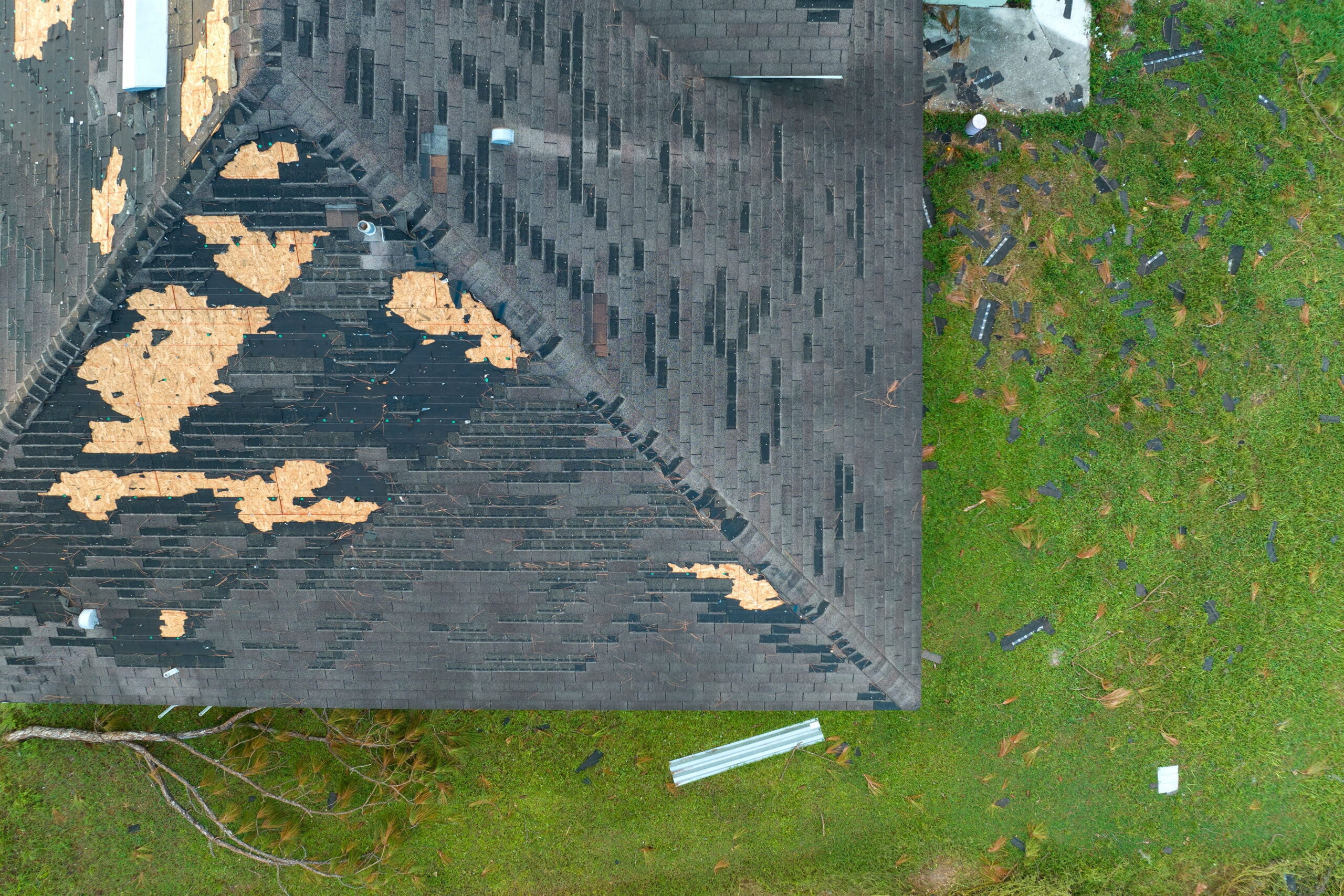
2. Over 25–30% of the Roof Is Damaged
Whether from storms, leaks, or general wear, once a significant portion of the roof is compromised, a full replacement becomes more cost-effective.
Patching a failing roof is like putting bandaids on a sinking ship — the underlying system is still deteriorating.
3. You Have Recurring Leaks or Widespread Water Damage
Chronic leaks indicate deeper problems:
- Saturated underlayment
- Decking rot
- Trapped moisture
- Compromised ventilation
These issues can double or triple repair costs over time.
Replacing the full system often stops repeated leaks permanently.
4. Your Roof Has Structural Problems
If your roofer finds:
- Sagging
- Widespread rot
- Decking separation
- Weak support beams
…a repair would only mask the danger. A full replacement ensures your home stays structurally safe.
5. You Want to Increase Home Value or Sell Soon
A new roof:
- Increases curb appeal
- Boosts resale value
- Eliminates buyer objections
- Qualifies for insurance benefits
- Improves energy efficiency
Real estate data shows roofing upgrades are among the highest-ROI home improvements.
Cost Comparison: Repair vs Replacement
Here’s what most Texas homeowners can expect in 2025:
Average Roof Repair Costs in Texas
- Minor repair: $250–$750
- Moderate repair: $800–$2,500
- Major repair: $2,500–$5,000+
Average Roof Replacement Costs in Texas
- Asphalt shingles: $8,500–$16,000
- Architectural shingles: $12,000–$22,000
- Metal roofing: $18,000–$45,000
- Tile roofing: $25,000–$60,000
Financial Rule of Thumb
If repair costs exceed 30–40% of replacement cost, a full replacement becomes the better long-term investment.
How to Decide: The 5-Step Roof Decision Framework
Use this simple evaluation method:
1. How old is your roof?
Older roof → replacement likely more cost-effective.
2. How widespread is the damage?
Localized → repair
Widespread → replace
3. Is the roof leaking in multiple places?
Multiple leaks → replacement recommended.
4. Has your energy bill increased?
Could indicate poor ventilation or failing materials.
5. Are you planning to sell your home soon?
New roof = higher resale value.
How Texas’s Climate Affects Your Decision
Because of:
- Extreme summer heat
- Strong winds
- Hail storms
- Coastal humidity (Corpus Christi area)
Texas roofs wear down faster than roofs in cooler regions.
A roof that might last 25 years elsewhere may only last 18–20 years in Texas.
That’s why choosing between repair vs replacement has even bigger financial impact for Texas homeowners.
Final Verdict: Repair or Replace?
Choose Repair If:
✔ Roof is under 12–15 years old
✔ Damage is small or isolated
✔ No structural issues
✔ Leaks are minor and easy to trace
Choose Replacement If:
✔ Roof is approaching end of lifespan
✔ More than 25–30% is damaged
✔ Leaks keep returning
✔ Storm damage impacted multiple areas
✔ You want better energy savings or resale value
Need Expert Help? Get a Free Roof Assessment
If you’re unsure whether repair or replacement will save you more money, our team at Phillips Roofing & Restoration can help.
We provide:
- Free roofing assessments
- Honest estimates
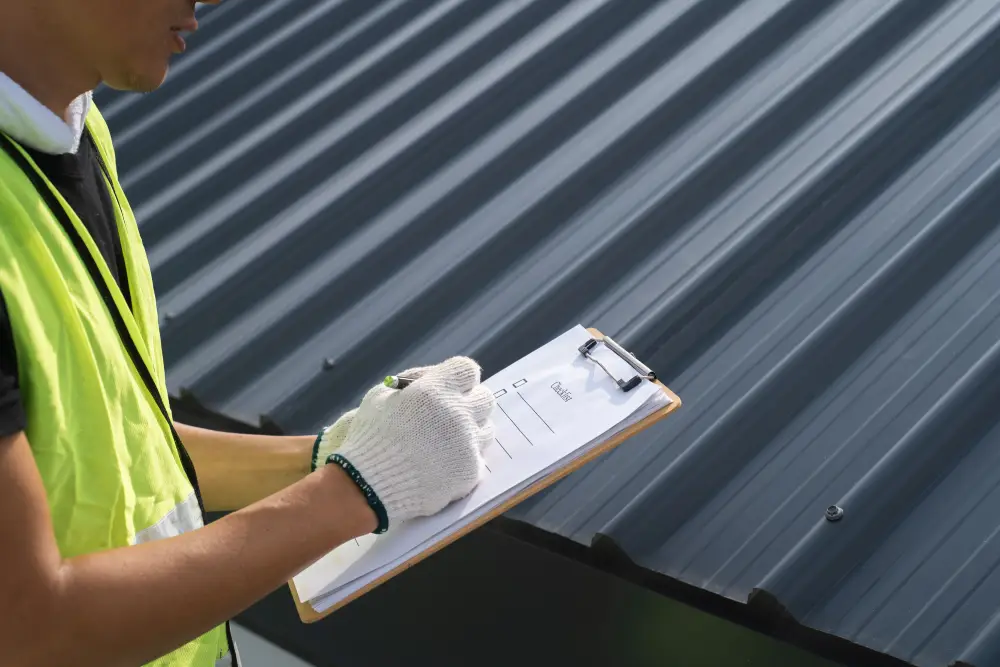
- Photo documentation
- Insurance guidance
- Local expertise for Texas homes
Get the right answer — before spending money on the wrong solution.
Schedule your free inspection today.