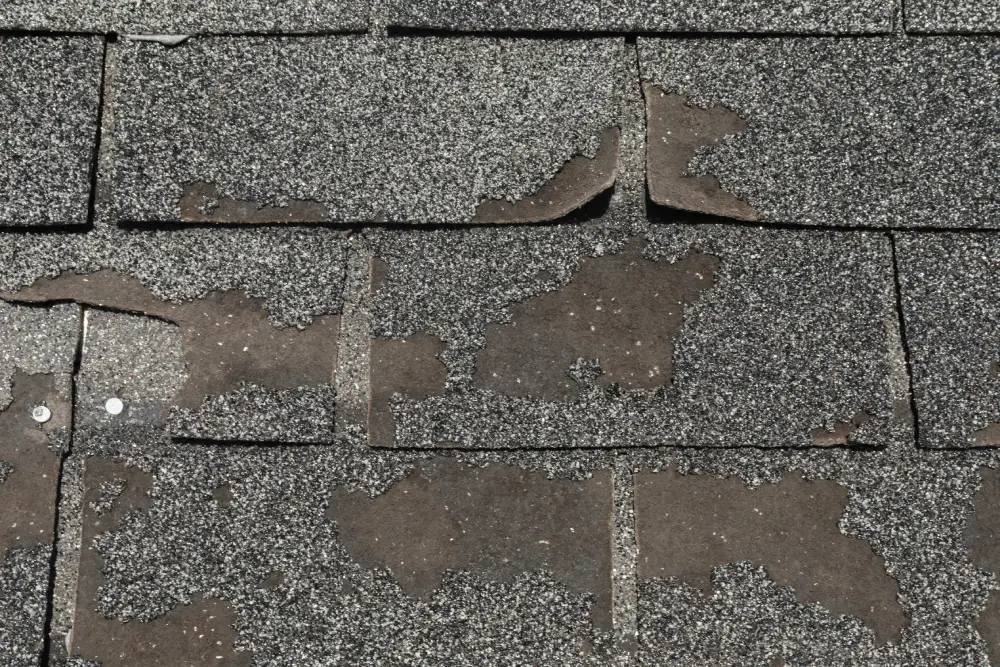
Commercial roofs in Texas face a tough combination of heat, hail, high winds, heavy rain, humidity, and sudden temperature swings. Whether your building has a TPO, modified bitumen, built-up, metal, or other low-slope roofing system, routine inspections are among the best ways to catch small problems before they turn into costly leaks, interior damage, or business interruptions.
For most commercial properties in Texas, a commercial roof should be inspected at least twice a year, ideally once in the spring and once in the fall. You should also schedule an inspection after major weather events, including hailstorms, high winds, hurricanes, tropical storms, or severe thunderstorms.
That schedule gives property owners and facility managers a better chance of identifying roof damage early, protecting warranty coverage, and extending the life of the roofing system.
Why Commercial Roof Inspections Matter in Texas
Texas weather can wear down a commercial roof faster than many property owners expect. Intense UV exposure can dry out roofing materials, severe storms can loosen flashing or puncture membranes, and standing water can create long-term problems on flat and low-slope roofs.
A routine inspection helps identify issues such as:
- Small punctures or tears in the roof membrane
- Loose flashing around walls, curbs, vents, and HVAC units
- Ponding water on flat or low-slope roofs
- Clogged drains, scuppers, and gutters
- Open seams on TPO, PVC, EPDM, or modified bitumen systems
- Blistering, cracking, or surface wear
- Rust or loose fasteners on metal roof systems
- Storm damage from hail, wind, or flying debris
- Signs of active or previous roof leaks
The goal is simple: find damage while it is still manageable. A minor repair today can help prevent a major commercial roof replacement later.
How Often Should a Commercial Roof Be Inspected?
Most Texas commercial roofs should be inspected twice per year. The best times are typically:
Spring Commercial Roof Inspection
A spring inspection helps identify damage caused by winter weather, cold fronts, wind, and early storm activity. It also prepares the roof for the intense Texas summer heat.
During spring, a roofer can check for damaged seams, clogged drainage areas, cracked sealants, and any problems that may have developed during the colder months.
Fall Commercial Roof Inspection
A fall inspection helps prepare the roof before cooler weather, seasonal rain, and winter cold fronts arrive. It is also a good time to assess any damage caused by summer heat, UV exposure, and storm activity.
For many commercial buildings, spring and fall inspections create a practical maintenance rhythm that keeps the roof in better condition year-round.
When Should You Schedule an Extra Roof Inspection?
Twice-a-year inspections are a good baseline, but some situations require an additional visit from a professional roofer.
Schedule an extra commercial roof inspection after:
- A hailstorm
- High winds or tornado activity nearby
- A hurricane, tropical storm, or severe coastal storm
- Heavy rainfall with signs of leaks
- Falling tree limbs or flying debris
- Nearby construction activity
- HVAC installation or maintenance work on the roof
- A noticeable increase in indoor moisture, ceiling stains, or musty odors
- Ponding water that remains for more than 48 hours after rain
In Texas, storm damage is not always obvious from the ground. A commercial roof may look fine from the parking lot but still have punctures, lifted seams, bruised membrane areas, damaged flashing, or compromised drainage.
Flat and Low-Slope Roofs May Need More Frequent Inspections
Many commercial buildings in Texas have flat or low-slope roofing systems. These roofs are practical for large buildings, but they require consistent maintenance because water does not shed as quickly as it does on a steep-slope roof.
Flat and low-slope roofs should be checked closely for:
- Ponding water
- Blocked drains
- Membrane punctures
- Separated seams
- Deteriorated flashing
- Soft spots in the roof deck
- Damage around rooftop units
- Debris buildup
If your building has a TPO, modified bitumen, built-up, or other low-slope roof system, regular inspections are especially important. Small seam failures or drainage issues can lead to hidden moisture problems beneath the roof surface.
What Happens During a Commercial Roof Inspection?
A professional commercial roof inspection should be more than a quick walk around the building. A qualified roofer will evaluate the full roofing system, including the roof surface, drainage, penetrations, perimeter details, flashing, and signs of interior moisture.
A typical commercial roof inspection may include:
1. Roof Surface Evaluation
The roofer checks the visible roof surface for punctures, cracks, blisters, open seams, membrane shrinkage, loose materials, or impact damage.
2. Drainage Review
Drains, scuppers, gutters, and downspouts are inspected for clogs, improper flow, debris buildup, or signs of ponding water.
3. Flashing and Edge Detail Inspection
Flashing is one of the most common sources of commercial roof leaks. The inspection should include walls, curbs, parapets, vents, skylights, and equipment penetrations.
4. HVAC and Rooftop Equipment Areas
Commercial roofs often experience damage around HVAC units because of foot traffic, service work, vibration, and equipment changes. These areas should be checked carefully.
5. Interior Leak Indicators
The roofer may inspect ceilings, walls, insulation, or attic/access areas when available to look for water stains, mold concerns, damp insulation, or active leaks.
6. Photo Documentation
For property owners, managers, and insurance purposes, photo documentation is helpful. It creates a clear record of the roof’s condition and any recommended repairs.
How Texas Weather Affects Commercial Roof Inspection Frequency
Texas commercial roofs often need a more proactive inspection schedule because of regional weather risks.
Heat and UV Exposure
Extreme heat can cause roofing materials to expand, contract, dry out, or weaken over time. UV exposure is especially hard on certain roof membranes, coatings, sealants, and exposed surfaces.
Hail Damage
Hail can bruise membranes, dent metal panels, damage roof accessories, and weaken protective surfaces. Even small hail can create problems if the roof is older or already worn.
Wind Damage
High winds can lift edges, loosen flashing, move rooftop materials, and drive rain into vulnerable areas. Wind damage may not always create an immediate leak, but it can make the roof more vulnerable during the next storm.
Heavy Rain and Ponding Water
Flat roofs need proper drainage. When water remains on the roof after rainfall, it can accelerate wear, stress seams, and increase the risk of leaks.
Coastal Conditions
For commercial properties near Corpus Christi and the Coastal Bend, salt air, humidity, tropical storms, and windstorm requirements can add another layer of risk. Coastal commercial roofs may benefit from more frequent inspections, especially before and after hurricane season.
Commercial Roof Inspection Schedule by Property Type
Different buildings may need different inspection schedules.
| Property Type | Recommended Inspection Frequency |
| Standard commercial building | Twice per year |
| Flat or low-slope roof | Twice per year, plus after major storms |
| Coastal commercial property | Two to three times per year, plus after tropical storms |
| Older commercial roof | Two to four times per year |
| Roof with known leak history | Quarterly or as recommended |
| Building with heavy rooftop HVAC traffic | Quarterly or after major service work |
| Industrial or warehouse roof | Twice per year, plus after severe weather |
A professional roofer can help create a maintenance schedule based on the roof type, age, condition, drainage design, and local weather exposure.
Signs Your Commercial Roof Needs an Inspection Now
Do not wait for the next scheduled maintenance visit if you notice warning signs. Your commercial roof should be inspected soon if you see:
- Ceiling stains
- Active leaks
- Moldy or musty odors
- Water dripping near walls or vents
- Bubbling paint or damaged drywall
- Standing water on the roof
- Loose flashing
- Missing or displaced roof materials
- Unexplained increase in energy costs
- Debris buildup around drains
- Interior humidity issues
Roof problems rarely improve on their own. The sooner they are inspected, the easier they are usually to repair.
Can Regular Inspections Extend the Life of a Commercial Roof?
Yes. Routine commercial roof inspections can help extend the life of a roofing system by identifying repair needs early. When small issues are left untreated, they can allow moisture into the roof assembly, damage insulation, weaken decking, and increase the chance of premature replacement.
Regular inspections also help with:
- Budget planning
- Warranty documentation
- Insurance claim documentation
- Preventive maintenance
- Leak prevention
- Tenant satisfaction
- Protecting inventory and equipment
- Reducing emergency repair costs
For commercial property owners, inspections are not just a roofing expense. They are a risk management tool.
Should You Inspect a Commercial Roof Yourself?
Property owners and managers can perform basic visual checks from the ground or from safe access points, but a full commercial roof inspection should be handled by a qualified roofing professional.
Avoid walking on a commercial roof unless you have proper training, permission, and fall protection. Walking on the roof incorrectly can be dangerous and may damage certain roofing systems.
A professional roofer knows how to inspect vulnerable areas, identify storm damage, document issues, and recommend the right repair or maintenance plan.
Schedule a Commercial Roof Inspection in Texas
If your commercial roof has not been inspected this year, or if your building recently experienced hail, wind, heavy rain, or coastal storm conditions, now is the time to schedule a professional inspection.
Phillips Roofing & Restoration provides commercial roofing inspections, repairs, maintenance, and replacement services for businesses in Corpus Christi, San Antonio, and surrounding Texas communities.
Contact Phillips Roofing today to schedule a commercial roof inspection and protect your building before small roofing problems become costly repairs.