After a major storm, many homeowners assume their insurance will automatically cover roof repairs. Unfortunately, that’s not always the case. One of the most common — and frustrating — reasons insurance claims are denied is confusion between roof damage and normal wear and tear.
Understanding the difference can save you time, money, and unnecessary stress — especially for homeowners along the Texas coast, where roofs take a beating year after year.
What Insurance Companies Mean by “Roof Damage”
Insurance typically covers sudden, accidental damage caused by unexpected events. This is often referred to as a covered peril.
Common examples of covered roof damage include:
- Wind damage from storms or hurricanes
- Hail impacts that crack or displace shingles
- Falling debris (tree limbs, airborne objects)
- Sudden leaks caused directly by storm damage
If a storm causes immediate, visible harm to your roof, there’s a strong chance your policy may provide coverage.
What Is Considered Normal Wear and Tear?
Wear and tear is the gradual deterioration of your roof over time. Insurance companies consider this a homeowner maintenance responsibility — not an insurable event.
Examples of wear and tear:
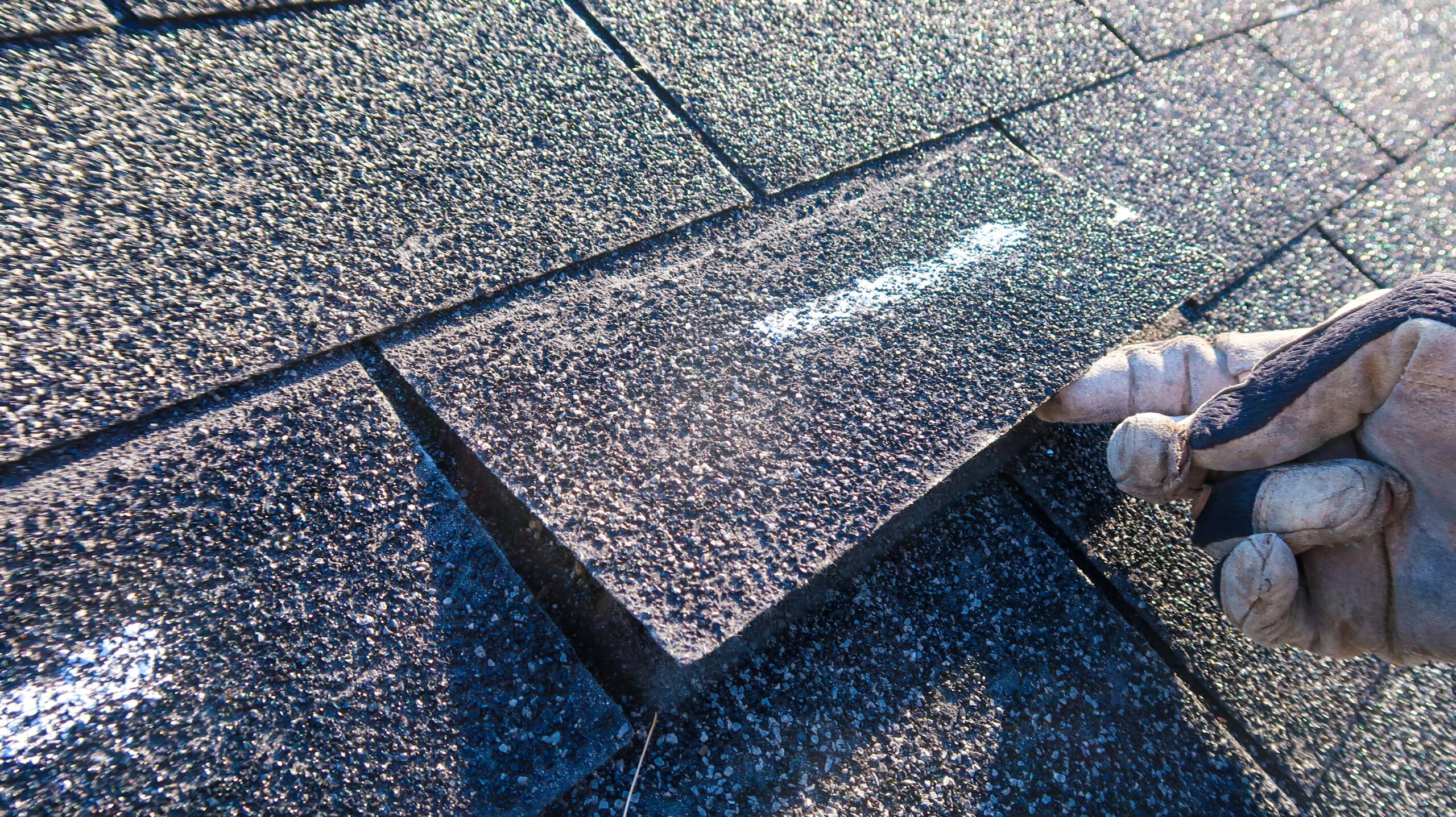
- Aging shingles losing granules
- Fading or discoloration from sun exposure
- Minor leaks caused by long-term neglect
- Cracked seals or flashing due to age
- Moss or algae growth
Even if a leak becomes noticeable after a storm, insurers may deny the claim if they determine the issue existed beforehand.
Why Insurance Claims Get Denied So Often
Many claims are rejected because insurers conclude the problem was pre-existing rather than storm-related. Common reasons include:
- The roof is past its expected lifespan
- Previous damage wasn’t repaired
- Poor ventilation or installation issues
- Lack of maintenance documentation
This is why professional inspections and proper documentation matter so much.
How to Tell the Difference Before Filing a Claim
Before calling your insurance company, it’s smart to have a professional roof inspection. A licensed roofing contractor can:
- Identify storm-related damage vs. aging issues
- Document findings with photos and written reports
- Help determine whether a claim is worth filing
This step can prevent unnecessary claim denials that may impact your insurance record.
Texas & Coastal Considerations Homeowners Should Know
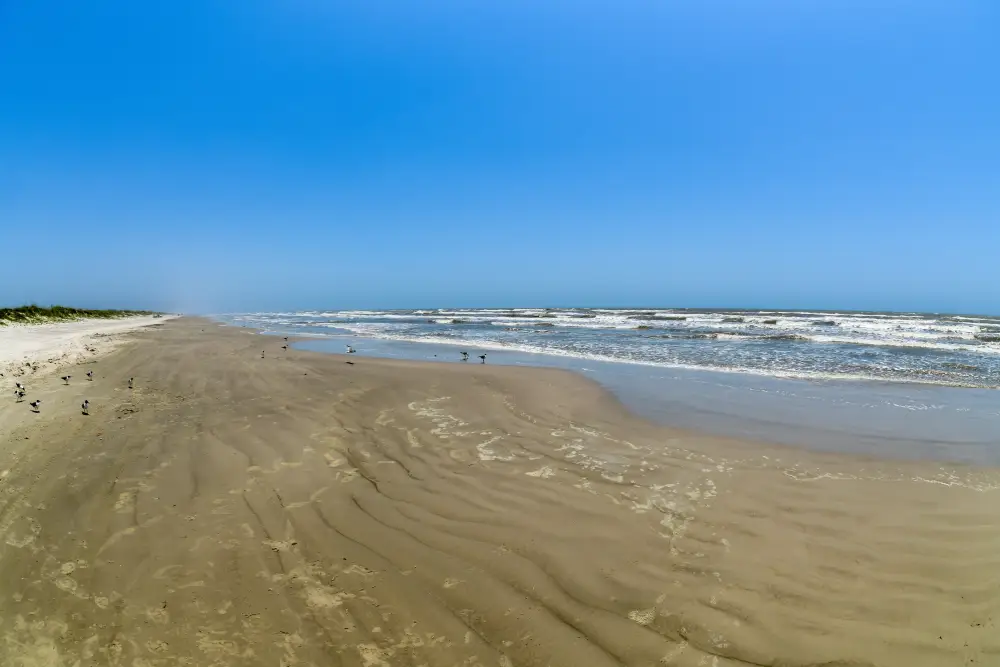
In coastal areas like Corpus Christi, roofs face unique environmental stressors — salt air, high winds, intense UV exposure, and hurricanes.
Insurance adjusters in these regions are especially strict about distinguishing storm damage from long-term exposure. That makes timely inspections and maintenance even more important for coastal homeowners.
Should You File an Insurance Claim?
You should strongly consider filing a claim if:
- Damage occurred suddenly after a documented storm
- Shingles are missing, lifted, or punctured
- Leaks appeared immediately following severe weather
You may want to avoid filing if:
- The roof is near the end of its lifespan
- Damage appears minor or cosmetic
- Issues existed prior to the storm
A professional inspection can help you decide the smartest path forward.
How a Roofing Contractor Can Help With Insurance Claims
An experienced roofing contractor doesn’t just repair roofs — they help homeowners navigate the insurance process by:
- Providing inspection reports insurers trust
- Meeting with adjusters if needed
- Ensuring storm damage isn’t overlooked
- Preventing underpaid or denied claims
This support can make a significant difference in claim outcomes.
Final Thoughts: Knowledge Protects Your Roof and Your Wallet
Knowing the difference between roof damage and wear and tear puts you in control. It helps you avoid denied claims, unnecessary repairs, and unexpected out-of-pocket costs.
If your roof was recently exposed to severe weather, the safest next step is a professional inspection — before calling your insurance company.